[vc_row][vc_column][vc_column_text]
Dampness in an Underground Passage
Selecting the appropriate repair technology for the issue described in this article will only be possible after removing the facade cladding. Direct access to vertical and horizontal partitions, as well as expansion joints, is necessary to assess their condition and determine the repair method.
Case Study: Waterproofing an Underground Passage
Issue: Dampness in an underground passage beneath a roadway
Kraków is one of Poland's most beloved tourist destinations. However, the densely packed historic buildings in the city center create many challenges for residents. In some cases, aesthetics are secondary to safety concerns. While we often discuss the proper waterproofing and renovation of historic buildings, we also encounter other cases, such as the dampness of underground passages.
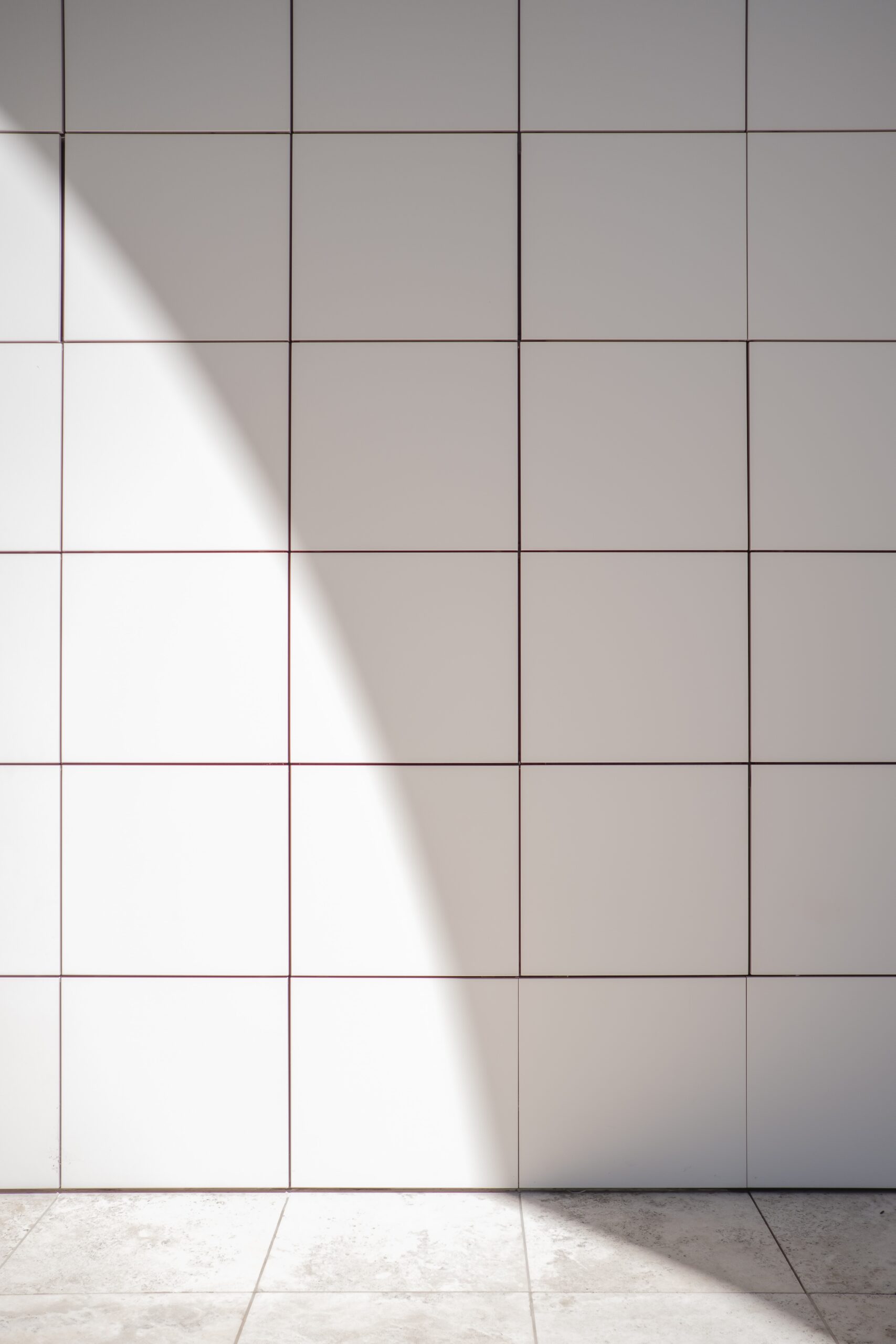
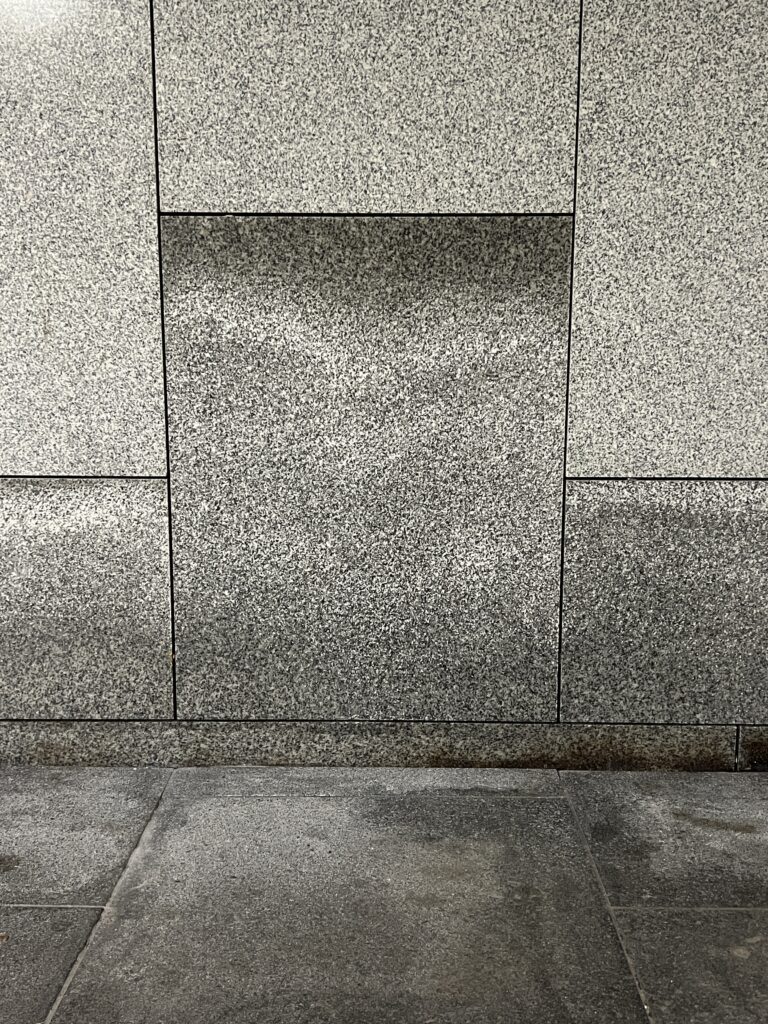
The images provided show one such passage located near the old town and the Vistula River. As waterproofing experts, we understand how many factors contribute to such problems. In this article, we aim to outline our perspective on how to address this issue effectively.
[/vc_column_text][vc_empty_space][/vc_column][/vc_row][vc_row][vc_column width="1/4"][vc_single_image image="260893" img_size="large"][/vc_column][vc_column width="1/4"][vc_single_image image="260892" img_size="large"][/vc_column][vc_column width="1/4"][vc_single_image image="260891" img_size="large"][/vc_column][vc_column width="1/4"][vc_single_image image="260890" img_size="large"][/vc_column][/vc_row][vc_row][vc_column][vc_empty_space][vc_column_text]
What Risks Does the Underground Passage Structure Face?
The structure of an underground passage is exposed to numerous factors that can negatively impact its durability and resilience. Being a reinforced concrete construction embedded in the ground, cracks may form as a result of pressure forces and soil movements. Additionally, the construction of the underground passage itself raises the groundwater level in the surrounding area, increasing the risk of elevated humidity levels within the passage.
Ceiling expansion joints are exposed to additional water sources, such as atmospheric precipitation. Moisture can penetrate through the asphalt surface, which is often treated with de-icing agents containing aggressive compounds such as salts and chlorides. If the expansion joints fail to perform their function, chlorides in the water may infiltrate the structure, spreading along the walls and across the entire surface.
Traffic is another factor that weakens the structure of the underground passage. The dynamic loads generated by vehicle movement, along with vibrations and constant pressure, can lead to structural damage.
Moisture in the Underground Passage
Every few years, reports resurface about the underground passage in Kraków, which has been operational since the 1970s, experiencing recurring issues caused by moisture: dripping water from the ceiling, damaged ceiling finishes, and damp wall claddings.
Unsightly stains are not the only concern. Any underground structure is inherently vulnerable to water infiltration. Material degradation is most commonly caused by the salts carried by water. If the claddings were installed using adhesive, moisture would degrade this material over time, leading to the detachment of the claddings. Another concerning issue, which can negatively affect human health, is the potential appearance of mold on the walls.
In the case of this specific underground passage, the following issues have been identified:
- Damp wall claddings
- Accumulated moisture within the underground passage
- Leaky linear drain
- Leaky joint
- Technological gap between the slab and the wall (potentially indicating a crack in the concrete structure)[/vc_column_text][vc_empty_space][/vc_column][/vc_row][vc_row][vc_column width="1/3"][vc_single_image image="260889" img_size="large"][/vc_column][vc_column width="1/3"][vc_single_image image="260888" img_size="large"][/vc_column][vc_column width="1/3"][vc_single_image image="260887" img_size="large"][/vc_column][/vc_row][vc_row][vc_column][vc_column_text]
What to Do in Case of Moisture in an Underground Passage?
It is important to remember that inspections of engineering structures, including road and bridge facilities, are conducted by the entities managing these objects. These entities are obligated to address existing damages promptly and carry out planned repairs based on periodic technical inspections. In this case, the inspection is carried out by the road management authority and the administrators of engineering structures. The solutions we propose are merely suggestions to address the existing problem.
In cases of moisture in an underground passage, conducting a comprehensive inspection and implementing appropriate remedial measures are crucial. The first step involves removing the wall claddings to thoroughly inspect the surface condition of the concrete. It is essential to check if the concrete is flaking, peeling, or delaminating, as any defects or delaminations will require re-profiling.
The inspection should also aim to locate any cracks or areas where physical leaks are occurring. The condition of the expansion joints must be carefully assessed, as they could be a potential source of moisture. After this inspection and assessment, a repair plan can be developed, detailing the scope of necessary work.
If the reinforced concrete structure is not cracked, it should not allow moisture penetration. As an engineering structure, the underground passage would have been constructed using high-quality concrete designed to meet the demands of such infrastructure.
Repairing the underground passage may involve various tasks, such as:
- Injecting construction joints
- Injecting cracks
- Injecting expansion joints
- Replacing or sealing linear drainage systems
These works rely primarily on injection-based sealing techniques. If the structure shows significant cracking, it is critical to conduct an expert assessment and evaluate the technical condition of the reinforced concrete, especially if there is a high density of cracks per square meter. Load-bearing capacity tests on the concrete may also be necessary for a thorough evaluation of the structure's integrity.
Summary of the Article: Moisture in Underground Passages
In summary, moisture in underground passages is a significant issue that can lead to a range of adverse effects. Stains, material degradation, the emergence of mold, and structural weakening are just a few of the potential consequences. Effectively addressing this problem requires conducting a comprehensive inspection to identify the causes and assess the condition of the structure thoroughly.
Based on the findings, appropriate repair strategies can be developed, such as injections, sealing expansion joints, and replacing linear drainage systems. For more severe structural damage, expert assessments and load-bearing capacity tests on the concrete may be necessary.
It is essential to act in accordance with recommendations and consult with relevant specialists to effectively repair and protect the underground passage from moisture-related damage.
[/vc_column_text][vc_column_text]
SANIER Recommends the Following Materials:
Injection:
Fast-setting mortars are used to seal joints and cracks before injection.
- Waterproof, fast-setting mortar:
- Injection materials:
- KOESTER G4 and S4
- KOESTER PUR Gel
- SCHOMBURG Aquafin-P4
- Dilatation tape:
- BOSTIK Block T202 Pressure
[/vc_column_text][/vc_column][/vc_row][vc_row][vc_column width="1/3"][vc_hoverbox image="259248" primary_title="" hover_title="Rapid 8 | Bostik" hover_btn_title="Buy" hover_btn_color="sky" hover_add_button="true" hover_btn_link="url:https%3A%2F%2Fwww.sanier.pl%2Fprodukt%2Fbostik-rapid-8%2F|title:Rapid%208%20%20%7C%20Bostik%20%2015%20kg"][/vc_hoverbox][/vc_column][vc_column width="1/3"][vc_hoverbox image="3707" primary_title="" hover_title="Sperrmortel Fix" hover_btn_title="Buy" hover_btn_color="sky" hover_add_button="true" hover_btn_link="url:https%3A%2F%2Fwww.sanier.pl%2Fprodukt%2Fsperrmortel-fix%2F|title:Sperrmortel%20Fix"][/vc_hoverbox][/vc_column][vc_column width="1/3"][vc_hoverbox image="3405" primary_title="" hover_title="KOESTER Wasserstop" hover_btn_title="Buy" hover_btn_color="sky" hover_add_button="true" hover_btn_link="url:https%3A%2F%2Fwww.sanier.pl%2Fprodukt%2Fkoester_wasserstop%2F|title:KOESTER%20Wasserstop"][/vc_hoverbox][/vc_column][/vc_row][vc_row][vc_column][vc_column_text]
Slurries:
Slurries can be used prior to injection to seal barriers and as waterproofing coatings. They serve to close cracks, fissures, and joints before or after injection. In cases where moisture spots appear inside a wall, the entire wall can be coated from the inside with a slurry layer (after sealing all cracks).
Recommended Products:
- Bostik K11 Schlamme Grau
- Schomburg Aquafin 1K
- PCI Barraseal CS
- Koester NB1[/vc_column_text][/vc_column][/vc_row][vc_row][vc_column width="1/4"][vc_hoverbox image="3693" primary_title="" hover_title="K11 Schlämme Grau" hover_btn_title="Buy" hover_btn_color="sky" hover_add_button="true" hover_btn_link="url:https%3A%2F%2Fwww.sanier.pl%2Fprodukt%2Fk11-schlamme-grau%2F|title:K11%20Schl%C3%A4mme%20Grau"][/vc_hoverbox][/vc_column][vc_column width="1/4"][vc_hoverbox image="5065" primary_title="" hover_title="Aquafin 1K" hover_btn_title="Buy" hover_btn_color="sky" hover_add_button="true" hover_btn_link="url:https%3A%2F%2Fwww.sanier.pl%2Fprodukt%2Faquafin-1k%2F|title:Aquafin%201K"][/vc_hoverbox][/vc_column][vc_column width="1/4"][vc_hoverbox image="244637" primary_title="" hover_title="Barraseal Flex" hover_btn_title="Buy" hover_btn_color="sky" hover_add_button="true" hover_btn_link="url:https%3A%2F%2Fwww.sanier.pl%2Fprodukt%2Fbarraseal-flex%2F|title:Barraseal%20Flex"][/vc_hoverbox][/vc_column][vc_column width="1/4"][vc_hoverbox image="244619" primary_title="" hover_title="KOESTER NB 1" hover_btn_title="Buy" hover_btn_color="sky" hover_add_button="true" hover_btn_link="url:https%3A%2F%2Fwww.sanier.pl%2Fprodukt%2Fnb-1-koester%2F|title:KOESTER%20NB%201"][/vc_hoverbox][/vc_column][/vc_row]